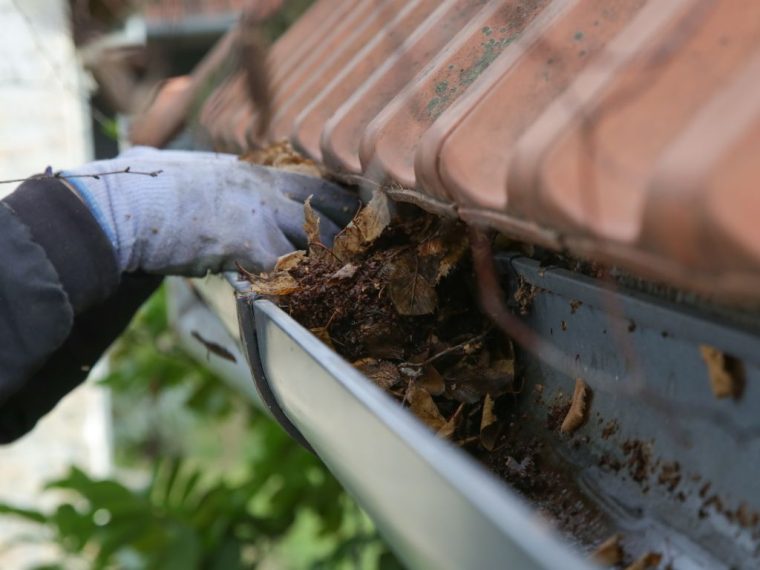
Working in gutter cleaning and roofing is physically demanding and inherently risky. From slippery surfaces and sharp debris to ladder hazards and changing weather conditions, professionals in these trades face dangers every day. That’s why safety-first companies like Woolley’s Gutter Experts in San Diego emphasize proper personal protective equipment (PPE) as a core part of their workflow. PPE isn’t just a formality, it’s a critical layer of protection that helps prevent injuries, reduce downtime, and ensure every job is completed efficiently and responsibly.
Whether you’re a seasoned contractor or new to exterior maintenance work, understanding PPE best practices can make a meaningful difference in jobsite safety.
The Real Risks of Gutter and Roofing Work
Gutter and roofing professionals routinely work at height, often on uneven or wet surfaces. Ladders, roofs, and scaffolding introduce fall risks that can result in serious injuries if proper precautions aren’t taken. In addition, gutters frequently contain sharp metal edges, nails, screws, animal debris, and decaying organic matter that can cut or puncture skin.
Environmental factors add another layer of risk. Sun exposure, heat exhaustion, cold weather, and sudden rain can quickly turn a routine job into a dangerous one. PPE serves as the frontline defense against these unpredictable hazards.
Hand Protection: Your First Line of Defense
Hands take the brunt of the work in gutter and roofing jobs. Removing debris, handling tools, and gripping ladders all expose workers to cuts, abrasions, and chemical irritants. High-quality work gloves are essential for protecting hands while maintaining dexterity and grip.
For gutter cleaning, gloves should be cut-resistant, water-resistant, and offer strong grip even when wet. Coated gloves or reinforced palms help prevent slips and protect against sharp edges. Gloves should fit properly, as loose gloves can reduce control and increase accident risk.
Footwear That Prevents Slips and Falls
Footwear is another critical but sometimes overlooked component of PPE. Roofing and gutter work demands shoes or boots with slip-resistant soles designed for traction on wet or angled surfaces. Footwear should also provide ankle support to reduce the risk of twists or falls when moving on ladders or roofs.
Steel-toe or composite-toe boots can add protection when handling heavy equipment or working below others. Waterproof or water-resistant materials are especially important for gutter work, where standing water and moisture are common.
Head and Eye Protection Matter
Falling debris is a constant hazard during gutter and roofing jobs. Leaves, tools, fasteners, and even sections of gutter can dislodge unexpectedly. Hard hats or protective helmets help reduce the risk of head injuries, especially on multi-person job sites.
Eye protection is equally important. Safety glasses or goggles shield eyes from dust, dirt, mold spores, and debris that can be dislodged while clearing gutters or cutting roofing materials. Clear vision is essential when working at height, making eye protection a safety necessity, not an option.
Respiratory Protection for Hidden Hazards
Many people underestimate the respiratory risks involved in gutter cleaning. Mold, pollen, bird droppings, and decaying organic material can release harmful particles into the air. Inhaling these substances may lead to respiratory irritation or long-term health issues.
Using disposable masks or respirators, especially during heavy debris removal or pressure washing, helps protect lungs and supports overall worker health. This is particularly important for professionals who perform these tasks daily.
High-Visibility and Weather-Appropriate Gear
Visibility plays a major role in jobsite safety. High-visibility vests or shirts help ensure workers are easily seen, especially when working near roads or in busy residential areas. Bright colors reduce the risk of accidental contact with vehicles or equipment.
Weather-appropriate PPE also matters. Sun-protective clothing, wide-brim hats, and moisture-wicking fabrics help prevent heat-related illnesses, while insulated gloves and jackets protect against cold weather hazards.
PPE as a Professional Standard
Professional gutter and roofing companies treat PPE as a standard, not an afterthought. Clients may not always see every safety precaution, but they benefit from the reduced risk, improved efficiency, and consistent quality that come from a well-protected crew.
Using proper PPE signals professionalism, responsibility, and care for both workers and customers. It also helps companies maintain compliance with safety regulations and reduce liability.
Final Thoughts
Gutter and roofing work will always involve risk, but those risks can be significantly reduced with the right PPE. From durable gloves and slip-resistant footwear to eye protection and respirators, every piece of equipment plays a role in keeping workers safe.
By prioritizing PPE best practices, contractors protect their teams, their clients, and their reputation. Safety isn’t just about avoiding accidents, it’s about building a sustainable, professional operation that can perform at a high level every day.
About The Author

